Beyond the White Desert: Rann Utsav 2026–27 Celebrates Gujarat’s Heritage, Culture and Tourism Vision
Oct 20th, 2026 3:49 pm | By ThenewsmanofIndia.com | Category: TOP STORIES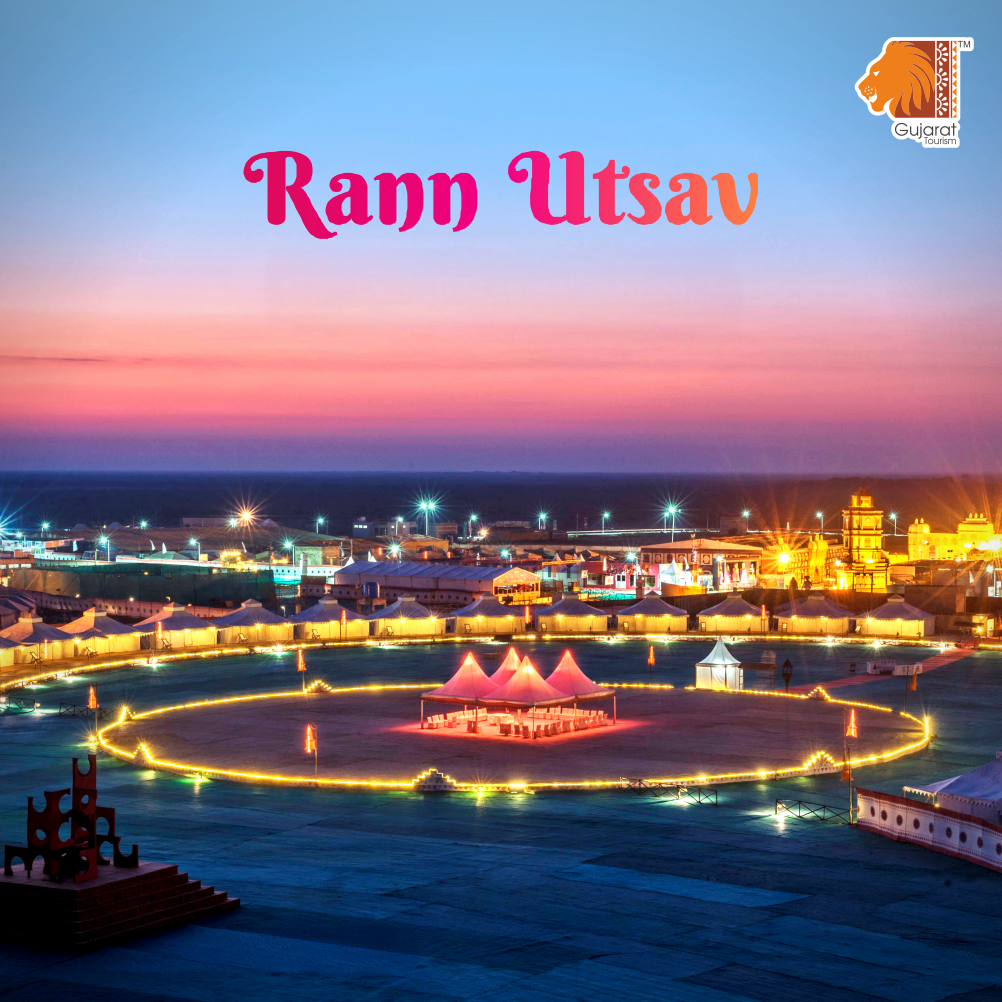
Beyond the White Desert: Rann Utsav 2026–27 Celebrates Gujarat’s Heritage, Culture and Tourism Vision
From the mesmerising salt plains of Kutch to the living traditions of its villages, Rann Utsav showcases how cultural heritage, community participation and thoughtful tourism can transform a landscape into a global attraction.
By Abul Hasan | THE NEWSMAN OF INDIA.COM
As winter approaches western India, the vast white expanse of the Great Rann of Kutch prepares to become a vibrant canvas of music, dance, craftsmanship, cuisine and human connection. Rann Utsav 2026–27 celebrates Gujarat’s timeless cultural identity, inviting visitors to discover a destination where nature, tradition and hospitality come together in an unforgettable experience.
More than a seasonal tourism attraction, Rann Utsav represents an opportunity to showcase Gujarat’s rich heritage and demonstrate how tourism can create economic opportunities, preserve traditional knowledge and strengthen local communities. The festival brings together the spectacular landscape of the White Desert and the living traditions of Kutch, creating an experience that extends far beyond conventional sightseeing.
Under the aegis of the Tourism Department of the Government of Gujarat, Rann Utsav has established itself as one of India’s distinctive experiential tourism destinations. Its appeal lies not merely in the breathtaking beauty of the salt plains but also in the stories, skills and traditions that give the region its unique character.
The White Desert: Where Nature Becomes an Experience
There are few landscapes in India that leave such a lasting impression as the White Rann. Near Dhordo village, the salt-encrusted plains stretch towards the horizon, creating an extraordinary interplay of light, space and silence. During the day, the desert glows beneath the winter sun; after dusk, the changing colours of the sky lend the landscape an almost otherworldly quality.
The full moon brings one of the most anticipated spectacles. Moonlight spreads across the white salt surface, blurring the distinction between earth and sky. In this setting, the desert becomes a natural amphitheatre, offering visitors a rare encounter with the grandeur of nature.
Yet the true achievement of Rann Utsav lies in making this remote landscape accessible while celebrating its cultural and ecological significance. The festival combines the appeal of the White Desert with accommodation, cultural programmes, local markets, regional cuisine and opportunities to explore the wider Kutch region.
The result is an experience that encourages visitors to stay longer, engage more deeply and discover the destination beyond the familiar postcard image.
At the heart of the festival is the Tent City at Dhordo, which has become synonymous with the Rann Utsav experience. Designed to provide contemporary comfort within a setting inspired by Kutchi aesthetics, the accommodation introduces visitors to the region’s colours, textiles, decorative traditions and hospitality.
The larger idea is significant for Indian tourism. Travellers increasingly seek experiences that connect them with a destination’s identity rather than simply offer accommodation or sightseeing. Rann Utsav responds to this changing preference by combining the natural environment with cultural immersion, organised activities and opportunities to interact with local communities.
The development of Dhordo as a tourism destination has also drawn attention to the potential of rural India. Its recognition by the United Nations World Tourism Organization among the Best Tourism Villages has reinforced the message that villages can become compelling tourism destinations when their cultural assets, local enterprise and distinctive landscapes are valued.
For Gujarat, Dhordo offers an example of how a relatively remote settlement can gain international visibility while retaining its identity as a place shaped by local traditions and community life.
The Artisans Who Keep Kutch’s Heritage Alive
Beyond the salt plains and illuminated festival grounds, the enduring soul of Rann Utsav is found in the people of Kutch.
The region has a rich tradition of handmade textiles, intricate embroidery, block printing, leatherwork and other crafts that reflect generations of accumulated skill. Among its celebrated art forms are Rogan painting, Ajrakh printing and Bandhani tie-dye, each distinguished by its own techniques, designs and cultural associations.
At the festival, these traditions become accessible to visitors through craft displays, demonstrations and opportunities to engage with artisans. A piece of fabric, a hand-painted design or an embroidered textile becomes more than a souvenir when its creator explains the painstaking process behind it.
Such encounters establish an important connection between tourism and cultural preservation. Traditional crafts survive not simply because they are admired, but because there is an economic and social environment in which artisans can continue practising their skills and passing them on to younger generations.
By creating opportunities for artisans to reach visitors from different parts of India and abroad, Rann Utsav helps bring regional craftsmanship into a wider marketplace. The potential benefits extend beyond individual sales to the visibility of craft communities and the continuing relevance of their cultural knowledge.
The experience also reminds visitors that heritage is not confined to monuments, museums or written records. It lives in the hands of craftspeople, in the rhythms of folk music, in patterns passed from one generation to another and in traditions sustained through everyday life.
Folk Music, Dance and the Warmth of Kutchi Hospitality
As evening approaches, the festival takes on another dimension. Folk musicians and dancers bring the sounds and movements of Gujarat’s cultural traditions to the stage, creating an atmosphere in which performance becomes a shared celebration.
Music and dance are central to the region’s identity. Their rhythms, costumes and expressive forms reflect the cultural influences that have shaped Kutch over generations. For visitors, these performances offer an introduction to a heritage that is both deeply rooted and continually evolving.
The warmth of Kutchi hospitality adds another layer to the experience. Conversations with local residents, encounters with performers and visits to craft stalls create opportunities to understand the region through its people rather than simply observe it from a distance.
This human connection is one of the festival’s greatest strengths. Landscapes may attract visitors, but it is often the people and their stories that make a journey memorable.
Moonlit Nights: The Magic That Defines the Rann
The White Desert under a full moon remains one of Gujarat’s most compelling tourism experiences. The moonlight illuminates the salt crust, creating an extraordinary visual effect that changes with the sky and the surrounding landscape.
The silence of the desert, interrupted by music and the quiet movement of visitors, creates an atmosphere unlike that of conventional holiday destinations. It is a reminder that tourism can be as much about experiencing stillness and natural beauty as it is about entertainment and activity.
For photographers, nature enthusiasts and travellers seeking something distinctive, the Rann offers a setting of rare visual appeal. For others, the experience is more personal: an opportunity to pause, appreciate the vastness of nature and carry home a memory that photographs can only partly capture.
Visitors should check the official festival schedule and local arrangements before planning their trip, particularly if experiencing the full moon is a priority.
Adventure, Exploration and the Flavours of Kutch
Rann Utsav also appeals to visitors who prefer active exploration. Depending on the activities available during the season, experiences may include camel rides, all-terrain vehicle excursions, paramotoring and guided visits to nearby attractions.
The surrounding region offers opportunities to discover the wider heritage of Kutch, including its villages, handicraft traditions and historic sites. These excursions help extend the visitor experience beyond the festival grounds and encourage a deeper appreciation of the region’s diversity.
Cuisine is another essential part of the journey. Traditional Gujarati dishes and Kutchi specialities introduce visitors to flavours shaped by local ingredients, culinary customs and the region’s distinctive environment.
Food, in this context, becomes another expression of cultural identity. Shared meals and regional delicacies provide a simple yet meaningful way for visitors to connect with the traditions of the place they have come to explore.
Together, adventure, heritage, handicrafts and cuisine give Rann Utsav a broad appeal, making it suitable for families, cultural travellers, photographers and those seeking a different perspective on India.
Tourism with Responsibility: Balancing Growth and Preservation
The growing appeal of the White Desert also brings an important responsibility: protecting the landscape and ensuring that tourism remains sensitive to the environment and the communities that sustain it.
The Great Rann is a distinctive and ecologically sensitive landscape. Tourism development therefore requires careful attention to waste management, sanitation, resource use, visitor safety and the protection of the surrounding environment.
Responsible tourism must also ensure that local communities remain active participants in the benefits generated by the festival. Opportunities for artisans, performers, hospitality providers, guides and small businesses can help make tourism a more inclusive engine of economic development.
The long-term success of Rann Utsav will depend not only on visitor numbers or the scale of its attractions, but also on its ability to preserve the authenticity that makes Kutch special.
By bringing heritage and tourism together, Gujarat has an opportunity to demonstrate that cultural celebrations can generate economic value while encouraging respect for local traditions and natural resources.
Gujarat’s Tourism Vision: From Regional Treasure to Global Destination
Rann Utsav illustrates the growing importance of experiential tourism in India’s development story. It shows how a destination can build its identity around distinctive natural features, living heritage and community participation rather than relying exclusively on conventional sightseeing.
For Gujarat, the festival offers an opportunity to showcase the state’s cultural diversity, hospitality and tourism infrastructure to domestic and international visitors. It also strengthens the visibility of Kutch as a destination worthy of exploration in its own right.
The festival’s broader significance lies in the model it represents: a natural landscape becomes the starting point for a much larger experience involving art, enterprise, culture and human connection.
As India seeks to expand its tourism footprint, destinations such as Kutch demonstrate the value of developing experiences that are authentic, memorable and closely connected to the communities that give them meaning.
Beyond the Festival: A Journey into Gujarat’s Timeless Spirit
The true significance of Rann Utsav extends beyond the duration of a tourism season. Its enduring value lies in the attention it brings to a region whose natural beauty and cultural wealth deserve recognition throughout the year.
The White Desert may be the image that first captures the imagination, but the deeper story belongs to the artisans who preserve their crafts, the musicians who carry forward folk traditions, the communities that welcome visitors and the landscape that unites them all.
Rann Utsav 2026–27 offers an opportunity to rediscover this remarkable meeting of nature and culture. It invites travellers to look beyond the white horizon and recognise the human stories that make the desert come alive.
Under the winter sky, amid the brilliance of salt and the cadence of folk music, Kutch reveals a simple yet powerful truth: a destination becomes truly unforgettable when its natural wonders are matched by the richness of its people and the authenticity of its heritage.
Rann Utsav is not merely a festival in the desert. It is Gujarat’s invitation to the world to experience a living heritage, discover the spirit of Kutch and witness the enduring power of culture to connect people across generations and borders.
Disclaimer: This article has been prepared in good faith on the basis of information publicly available on the internet. THE NEWSMAN OF INDIA.COM does not claim independent verification of all the information presented and shall not be held responsible for any inadvertent errors or omissions.