Union Budget Reforms Aim to Cut Tax Litigation, Ease Compliance: CBDT Chairman Ravi Agarwal
Feb 4th, 2026 9:38 pm | By ThenewsmanofIndia.com | Category: LATEST NEWS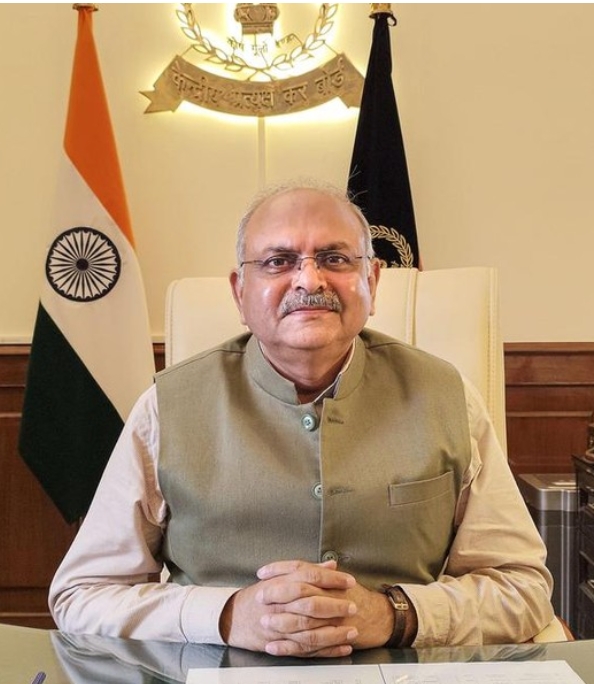
By THE NEWSMAN OF INDIA.COM| The Union Budget has brought in several far-reaching reforms aimed at simplifying tax administration and reducing long-pending disputes, Central Board of Direct Taxes (CBDT) Chairman Ravi Agarwal has said, highlighting the government’s commitment to taxpayer-friendly governance.
Speaking on the key proposals, Agarwal noted that minimising litigation has been a major focus of the latest budget, as prolonged legal disputes have remained a significant concern for both taxpayers and the department. According to him, the new measures are designed to save time, reduce procedural burdens, and promote greater ease of compliance.
One of the most important reforms, he explained, is the merger of assessment and penalty proceedings into a single process. Earlier, these were conducted separately, often resulting in duplication of efforts and prolonged engagement for taxpayers. With the new system, both processes will now be handled together, effectively cutting the proceedings by half and reducing the consumption of time and resources.
Agarwal also highlighted changes related to delays in filing audit reports and similar compliances. Previously, such delays attracted penalties that often led to disputes. Under the revised framework, these penalties have been converted into automatic fees, bringing clarity and predictability to the system while reducing scope for discretionary action.
Another significant step, he said, is the decriminalisation of several provisions under tax laws. In many cases where violations earlier attracted criminal proceedings, the government has now replaced imprisonment with monetary fines. This shift reflects a more balanced and reform-oriented approach, focusing on correction rather than punishment.
“These are the steps, essentially broadly, that have been taken towards minimising litigation in the department,” Agarwal emphasised, underlining the government’s intent to build trust and cooperation with taxpayers.
The reforms are expected to improve the overall tax environment by encouraging voluntary compliance and reducing friction between taxpayers and authorities. By simplifying procedures and limiting unnecessary legal disputes, the government aims to create a more transparent, efficient, and growth-oriented taxation system.
Observers believe that these measures will not only ease the burden on businesses and individuals but also strengthen the credibility of the tax administration. With a clear focus on reform, rationalisation, and accountability, the new budget proposals mark an important step towards a more taxpayer-centric ecosystem in India.