Odisha Pushes Digital Governance, Semiconductor Investment and Renewable Energy Reforms
Aug 14th, 2026 12:23 am | By ThenewsmanofIndia.com | Category: SPECIAL NEWS COVERAGE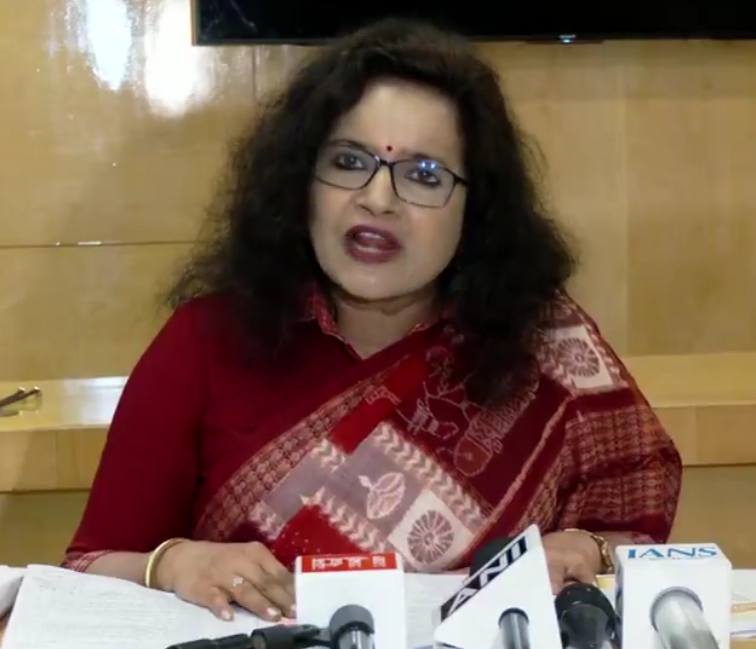
By THE NEWSMAN OF INDIA.COM|Bhubaneswar: Odisha is accelerating its administrative and industrial transformation with a series of key policy decisions aimed at strengthening digital governance, attracting high-value investments and improving the allocation of renewable energy projects.
Following the state Cabinet meeting, Chief Secretary Anu Garg highlighted three significant areas of reform—implementation of OSWAS 3.0, amendments to the Semiconductor Manufacturing and Fabless Policy, and rationalisation of wind power project allocation.
OSWAS 3.0: Taking Paperless Governance to the Block Level
One of the major decisions approved by the Cabinet is the implementation of OSWAS 3.0, Odisha’s next-generation digital office framework.
According to the Chief Secretary, the objective is to take the concept of a paperless government beyond the State Secretariat and district administration and extend it right up to the block level.
The initiative is expected to transform the way government files and administrative processes are handled, reducing dependence on physical documents while improving speed, traceability and efficiency in decision-making.
The expansion of digital governance to the grassroots administrative level is particularly significant because blocks represent one of the most important points of interaction between government administration and citizens.
A comprehensive paperless system could enable faster movement of files, better monitoring of decisions and greater accountability among officials. It is also expected to strengthen transparency by creating a clearer digital trail of administrative actions.
The move reflects Odisha’s broader effort to use technology as an instrument of governance reform rather than merely as an administrative convenience.
Semiconductor Policy Gets a Fresh Push
The Cabinet has also approved an amendment to Odisha’s Semiconductor Manufacturing and Fabless Policy at a time when the State is seeking to establish itself as an emerging destination for advanced technology and electronics investments.
Garg said that substantial investments are already coming into Odisha and expressed confidence that the policy changes could encourage additional projects.
The semiconductor sector is strategically important for India’s ambition to build a resilient domestic electronics and technology ecosystem. For Odisha, attracting semiconductor manufacturing, design and fabless companies could create opportunities not only for capital investment but also for skilled employment, technology development and integration with global supply chains.
The policy amendments are therefore expected to make the State’s investment framework more responsive to the evolving requirements of the semiconductor industry.
With competition among Indian states intensifying to attract technology-intensive investments, Odisha’s ability to provide policy support, infrastructure, skilled manpower and an investor-friendly ecosystem will be crucial.
Rationalisation of Wind Power Project Allocation
Another important Cabinet decision relates to the rationalisation of allocation of wind power projects.
The move comes as Odisha continues to strengthen its renewable energy ambitions and explore opportunities to expand clean energy generation.
A more rational and structured approach to project allocation can help improve utilisation of available resources, facilitate investments and provide greater clarity to developers. It also fits into the larger national objective of increasing the share of renewable energy in the power mix.
A Broader Reform Agenda
Taken together, the Cabinet decisions indicate Odisha’s focus on combining administrative modernisation with investment-led economic growth and the transition towards cleaner energy.
OSWAS 3.0 represents the digital transformation of government processes, the semiconductor policy amendment seeks to strengthen Odisha’s position in a strategically important emerging industry, while the wind power reforms underline the State’s commitment to renewable energy.
The common thread across these initiatives is the creation of a more efficient, transparent and investment-friendly Odisha.
By taking paperless governance to the block level while simultaneously refining policies for high-technology manufacturing and renewable energy, the State is seeking to build an administrative and economic ecosystem capable of supporting its next phase of growth.
The latest Cabinet decisions, therefore, go beyond individual policy changes. They signal Odisha’s continuing attempt to align governance reforms, emerging technologies, industrial investment and sustainable development with its larger economic ambitions.