From Lakhpati Didi to Self-Reliant Chhattisgarh: Women at the Heart of Good Governance
Aug 23rd, 2026 6:39 am | By ThenewsmanofIndia.com | Category: SPECIAL NEWS COVERAGE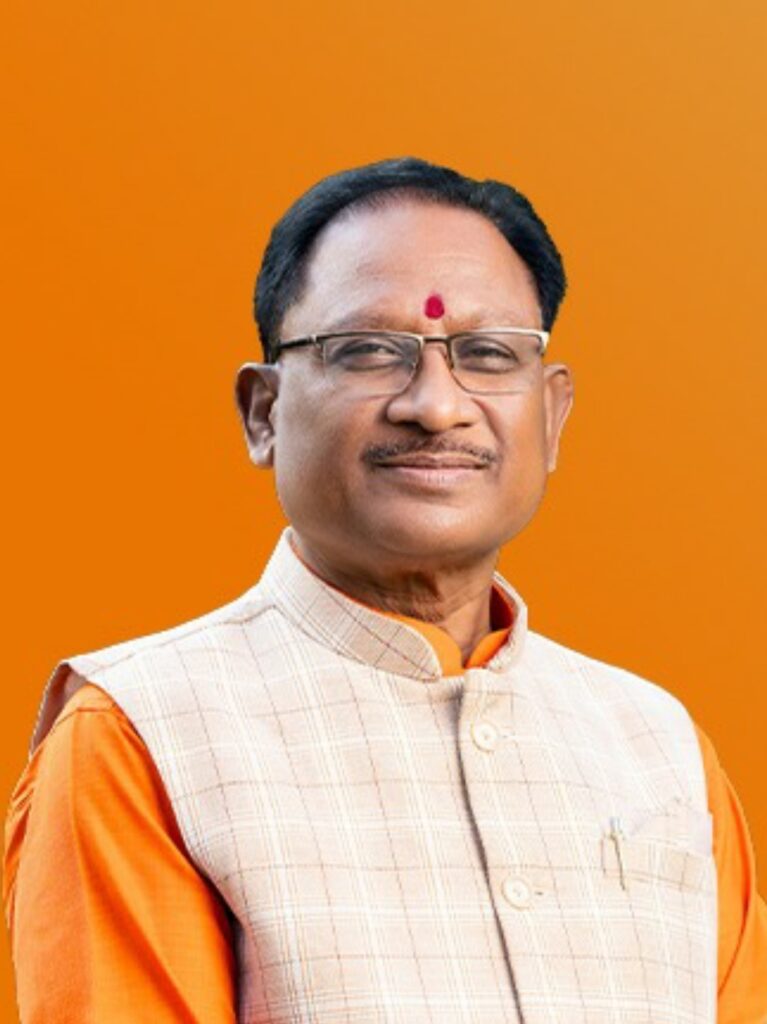
By THE NEWSMAN OF INDIA.COM|In Chhattisgarh, the idea of women’s empowerment is steadily moving beyond welfare and towards economic independence. Across villages and communities, women are emerging as entrepreneurs, farmers, livestock rearers, skilled workers and members of vibrant self-help groups, creating a new foundation for a more self-reliant state.
More than 1.3 million women in Chhattisgarh have already become Lakhpati Didis, while over 3.1 million women are progressing towards achieving an annual income of ₹1 lakh or more through their association with self-help groups. Agriculture, animal husbandry, skills, small enterprises and self-employment are opening new avenues for women to strengthen their families and participate more actively in the state’s economic growth.
The government has further reinforced this commitment by making a budget provision of ₹5 crore for the Chief Minister Lakhpati Didi Outreach Scheme. The initiative reflects an approach in which women are not merely beneficiaries of government programmes but active partners in development.
From Self-Help Group to Success Story
The journey of Anima Tigga is a telling example of how collective effort, government support and innovation can transform rural livelihoods.
After joining a self-help group, Tigga adopted new agricultural techniques and ventured into grafted tomato cultivation. With technical guidance and support available through the group and government schemes, she improved production and increased her income.
Today, she proudly identifies herself as a Lakhpati Didi—a transformation that represents far more than an increase in household earnings. It reflects growing confidence, decision-making ability and economic independence among rural women.
Expressing gratitude to Chief Minister Vishnu Dev Sai, Tigga said initiatives such as Bihan have created new opportunities for women to become self-reliant and build sustainable livelihoods.
Her story mirrors the experiences of thousands of women who are discovering that access to collective platforms, knowledge, technology and financial opportunities can turn traditional livelihoods into sustainable enterprises.
Welfare With an Economic Foundation
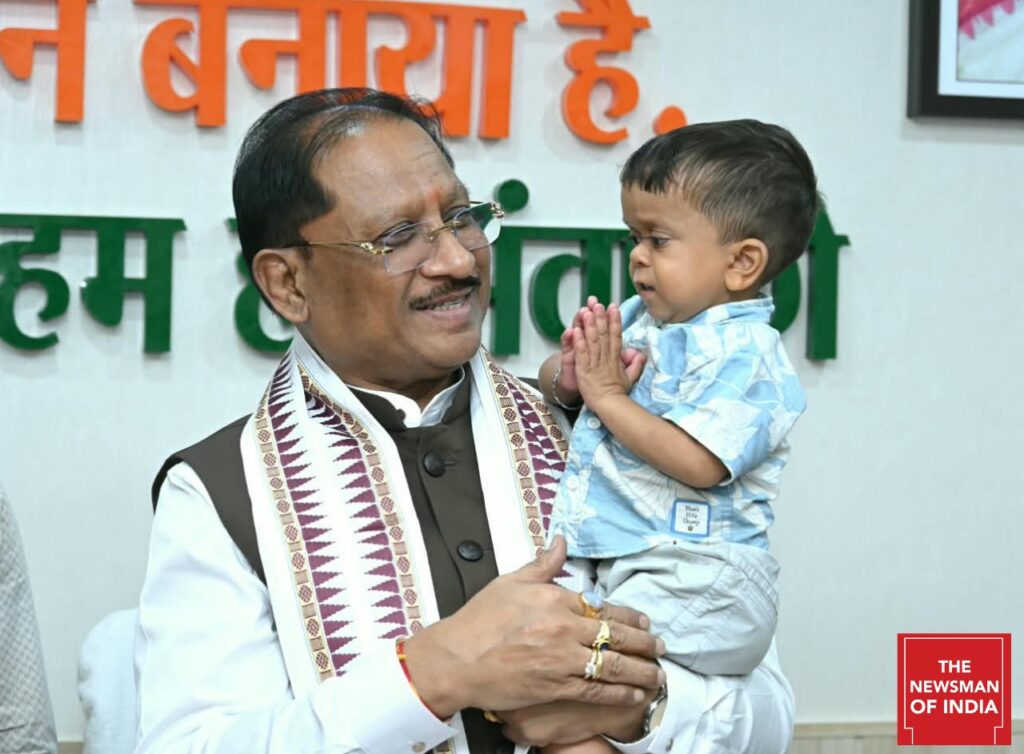
The government’s women-centric approach extends across multiple dimensions of rural and tribal life. Chief Minister Vishnu Dev Sai has repeatedly emphasised the need to strengthen the economic position of mothers and sisters across Chhattisgarh.
Through the Mahtari Vandan Yojana, women are receiving financial support, providing an additional layer of economic security at the household level. At the same time, the government is focusing on improving the livelihood opportunities of tribal families dependent on tendu leaf collection.
Tendu leaf collection remains an important source of livelihood for numerous tribal households. Recognising the contribution of collectors, the government has been taking steps aimed at their welfare and increasing their income. The restarting of the Charan Paduka Yojana is another component of this broader effort.
The underlying philosophy is clear: social welfare becomes more meaningful when it is accompanied by opportunities for sustainable income generation.
Education as the Next Pillar
Women’s economic empowerment is closely connected with the quality of education available to the next generation. Under the leadership of Chief Minister Sai, the government is also seeking to strengthen and modernise Chhattisgarh’s education system.
Through rationalisation, teacher availability has been improved in teacherless and single-teacher schools. The objective is to ensure that children, including those in remote areas, receive access to quality education.
This approach connects two generations of development. When mothers gain economic strength and children receive better educational opportunities, the foundation of a more confident and capable society becomes stronger.
Economic strength builds self-confidence. Self-confidence encourages self-reliance. And self-reliance creates the foundation for empowered families and a developed Chhattisgarh.
From Women’s Empowerment to State Transformation
The Lakhpati Didi movement demonstrates how a large-scale development strategy can begin with individual women and ultimately influence the wider economy.
A woman who earns a higher income contributes more substantially to household expenditure, education, nutrition and savings. When thousands and eventually millions of women make this transition, the cumulative impact can reshape rural economies.
Self-help groups provide the institutional foundation for this transformation. They create platforms where women can share knowledge, access support, adopt modern techniques and collectively pursue economic opportunities.
In this sense, the journey from a self-help group member to a Lakhpati Didi is not simply a personal success story. It is part of a larger transformation in which rural women are becoming economic actors and contributors to Chhattisgarh’s development narrative.
Youth Power, AI and Innovation: The New Development Frontier
The state’s development vision is not limited to agriculture and traditional livelihoods. At the World Leaders Forum, Chief Minister Vishnu Dev Sai presented a vision of good governance for a developed Chhattisgarh, placing youth power, artificial intelligence, startups and innovation among the emerging engines of growth.
This signals an important transition. While women-led rural enterprises and traditional sectors remain central to inclusive development, the state is simultaneously looking towards technology-driven opportunities for its younger population.
The combination of empowered women, educated children, skilled youth and technology-led innovation can provide Chhattisgarh with a broad-based development model—one that connects villages with markets, traditional skills with modern technology and welfare with enterprise.
A New Narrative of Good Governance
The emerging story of Chhattisgarh is therefore not merely about government schemes. It is about creating an ecosystem in which people can convert opportunities into sustainable livelihoods.
For women like Anima Tigga, empowerment has taken the form of better farming techniques and higher income. For millions of women associated with self-help groups, it is a journey towards the Lakhpati Didi milestone. For tribal families, livelihood support and welfare initiatives are helping strengthen economic security. For children, improved access to teachers is opening doors to better education. And for the youth, AI, startups and innovation represent the possibilities of a new economy.
This convergence lies at the heart of the state government’s good-governance vision.
As Chhattisgarh moves towards a more prosperous and self-reliant future, its women are increasingly becoming central to that journey—not simply as recipients of development, but as its entrepreneurs, producers, decision-makers and agents of change.
From Lakhpati Didi to self-reliant household, from empowered family to prosperous village—the transformation of Chhattisgarh is increasingly being written through the strength of its women.